productlist

EMD reagent grade: How to Confirm the Right Specification

EMD reagent grade

The phrase EMD reagent grade can look precise on a purchase request, yet it does not, by itself, define a testable specification. EMD means electrolytic manganese dioxide. For laboratory and chemical uses, buyers need to know which characteristics matter to their procedure, how those characteristics were measured, and whether the offered material has documented results. A grade name alone cannot answer those questions. For example, a method sensitive to trace metals may require different evidence from a procedure concerned mainly with moisture or particle behavior. Even an assay value is difficult to compare unless the reported basis and test method are clear. QingChong New Materials is a manganese chemical manufacturer with integrated R&D, production, and sales operations. The supplied information does not identify a specific EMD reagent-grade product, guaranteed purity, available packaging, or certificate of analysis. This page therefore serves as a specification guide, not a claim that a particular grade is available. Use it to frame a technical inquiry and request product-specific documentation before approving a material for use.

Technical Detail

Configured around process stability, mold life, and long-term uptime.

An EMD reagent grade inquiry should separate the intended chemical use from the grade label printed on a document. Reagent grade generally signals a material offered for laboratory or analytical work, but it is not a universal numerical standard for electrolytic manganese dioxide. Requirements used for battery materials or broader industrial applications should not be assumed to match a laboratory method. The appropriate specification depends on what the buyer needs to measure, dissolve, react, or control. QingChong New Materials describes itself as a manganese dioxide and compound manufacturer based in the Xiangtan Manganese Mine area, with more than 20 years of industry experience. Its operations combine R&D, production, and sales, and the company states that it maintains a strict quality control system. Those are useful grounds for a technical discussion, but none establishes the assay, impurity limits, particle characteristics, or availability of an EMD reagent-grade product. No such product data was supplied here. Before treating an offer as equivalent to a required grade, ask for the exact product identification, a current specification, and lot-specific test results where available. Compare the documents with your procedure rather than substituting a familiar grade name for measurable acceptance criteria. If a purchasing document calls out a named analytical standard, include its designation and revision in the inquiry. That allows both sides to identify any gap between the requested designation and the material actually documented.

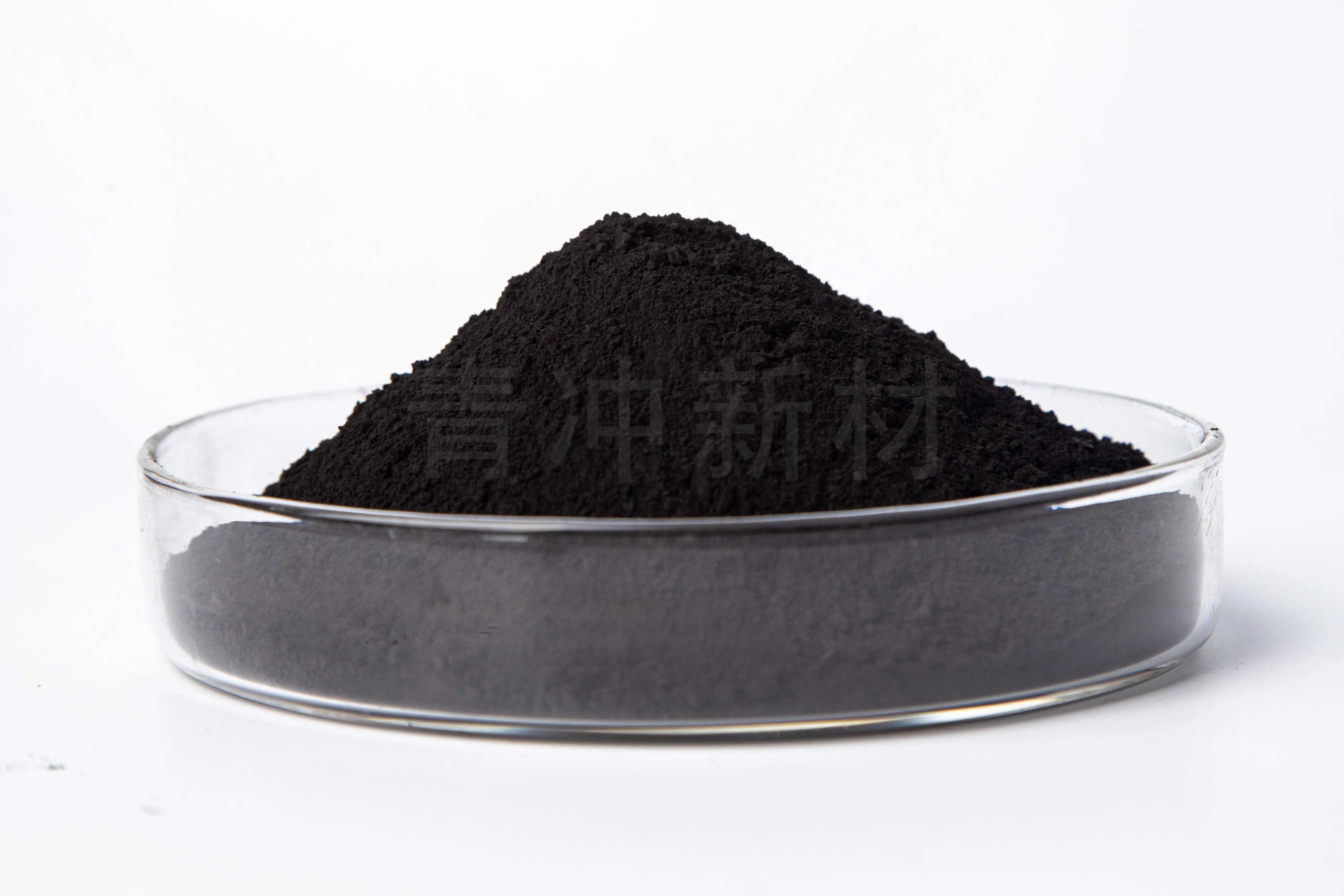
Electrolytic Manganese Dioxide (EMD)

What EMD Measurements Actually Describe

Start by distinguishing identity from performance measurements. EMD identifies an electrolytic form of manganese dioxide; the words reagent grade describe a proposed use or quality category, not a complete analytical result. A manganese dioxide assay addresses composition, while moisture describes water under a specified test condition. A trace-metal result concerns particular elements at stated reporting limits. Particle-size data describe a physical distribution and do not replace a chemical assay. These measurements answer different questions, so one favorable figure cannot establish the others. Reported values also need context. An assay stated on a dry basis should not be compared directly with one stated as received without accounting for the basis used. Trace-metal results require both units and a stated analytical method; a result below a detection limit is different from a measured value of zero. For particle data, the measurement method and the statistic reported matter. QingChong's stated quality control system suggests a point of contact for requesting such definitions, but no EMD test methods or numerical limits were provided. Treat any figures received during an inquiry as product-specific only after the corresponding method, basis, and document version have been confirmed.
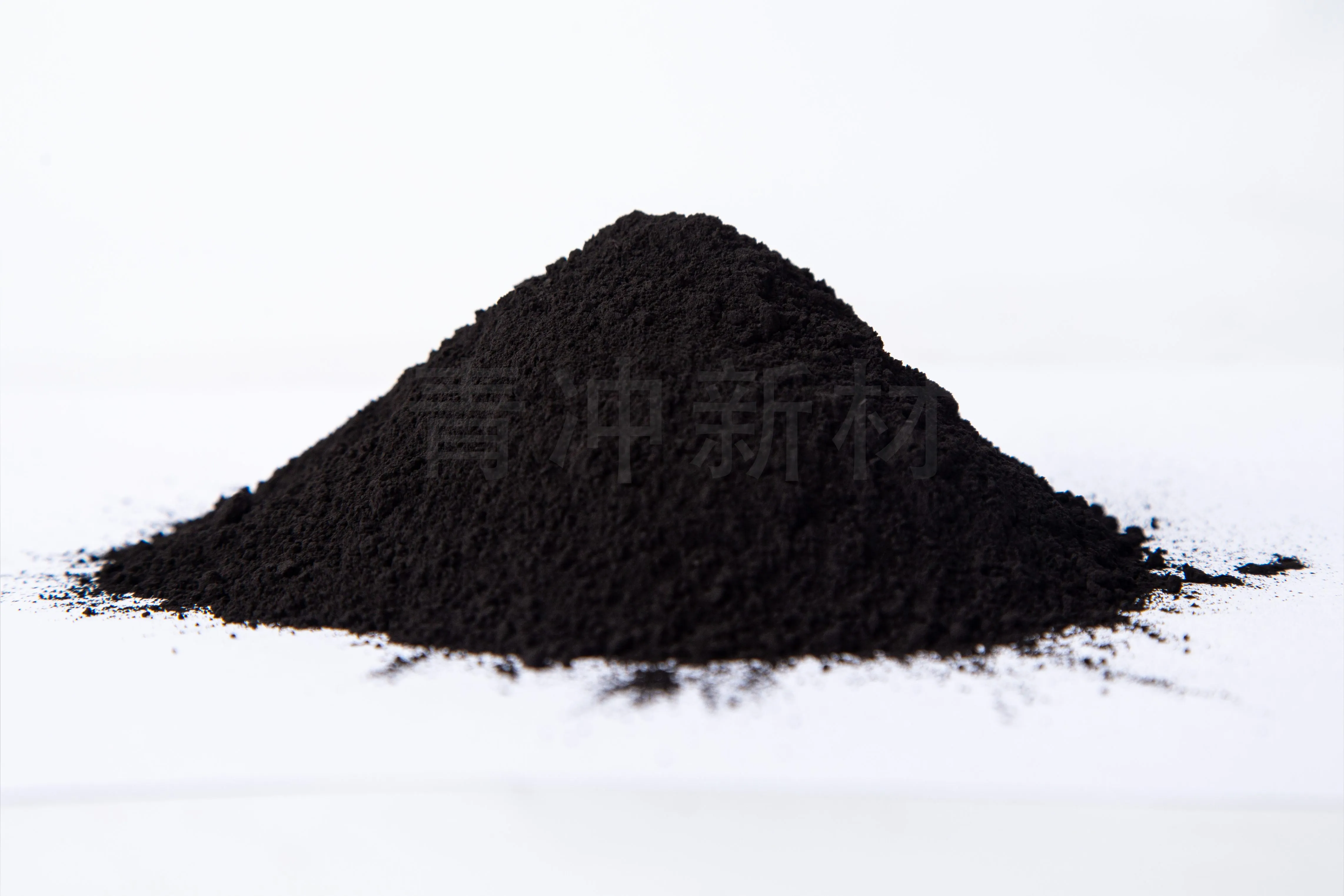
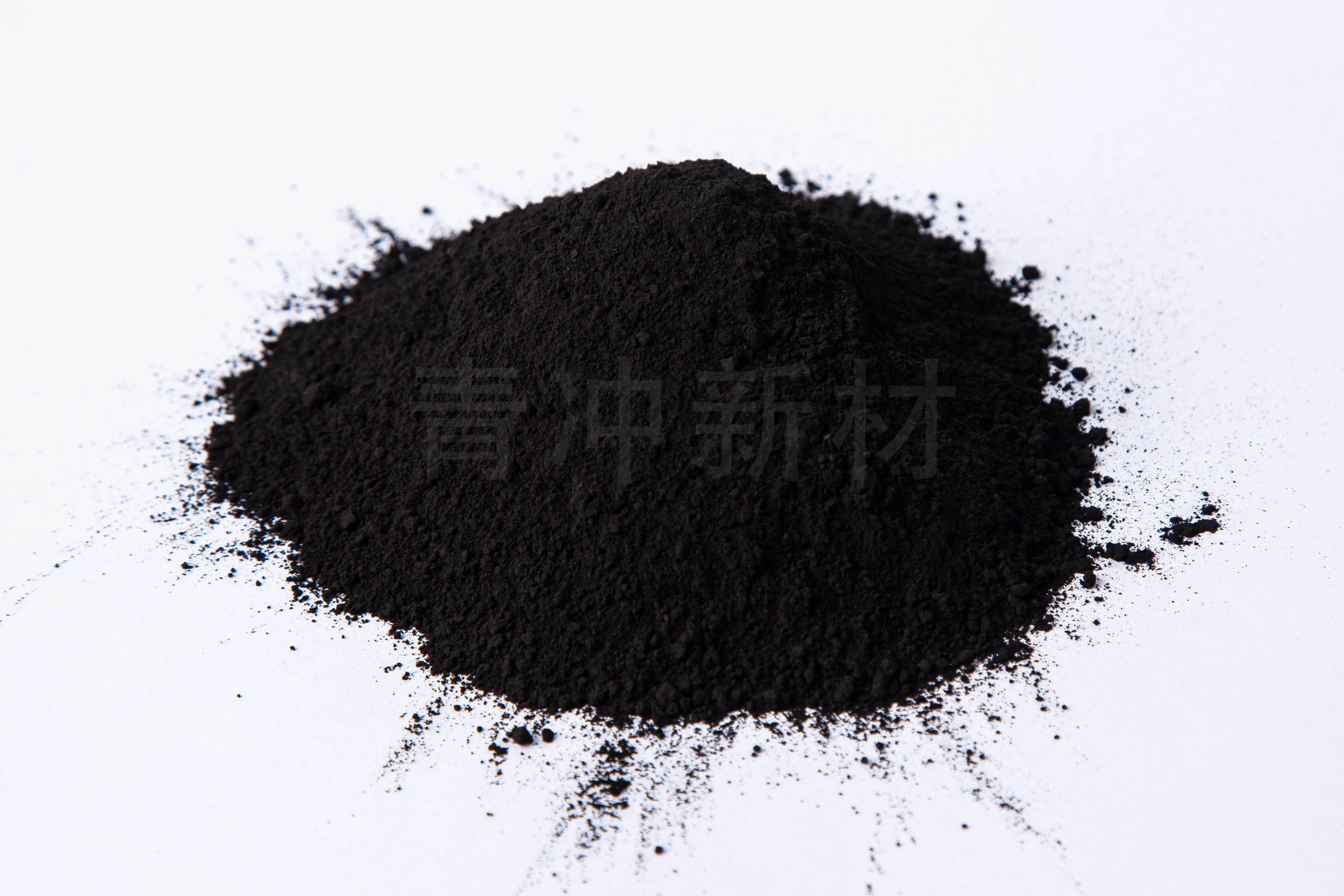
Electrolytic Manganese Dioxide (EMD)

Match the Specification to the Procedure's Sensitivities

Evaluate EMD against the conditions of the actual procedure, not a general impression of purity. If the material will be used in trace analysis, identify which elements could interfere and compare documented limits for those elements with the method's tolerance. If it is a reactant in a preparation, determine whether the calculation depends on manganese dioxide content, moisture, or another measured property. Where a procedure involves dispersing or weighing a solid, particle behavior and handling conditions may matter even when an assay meets its target. The limiting factor varies by use. A single pass result on composition does not demonstrate that the material is suitable for every analytical method. Consider how samples will be stored and whether the procedure specifies pretreatment before testing; otherwise, a supplier result and an incoming-inspection result may reflect different conditions. The information provided for QingChong does not establish a particular EMD grade, impurity profile, or application approval. Buyers should therefore document their own acceptance limits and ask whether product-specific evidence addresses each one. If a critical characteristic is missing from the available documentation, suitability remains unconfirmed until it is tested or otherwise resolved.

Electrolytic Manganese Dioxide (EMD)

Prepare a Verifiable EMD Grade Inquiry

Send QingChong the specification your process actually needs. Identify EMD by its full name, state the intended laboratory or chemical use, and attach any applicable method or named standard with its revision. List required characteristics individually: composition or assay, relevant impurity elements, moisture, and physical characteristics if your procedure depends on them. For each requirement, give the acceptance limit, unit, reporting basis, and required test method where these are controlled by your organization. This makes it possible to compare an offered material with the same criteria used for incoming inspection. Ask QingChong to confirm whether an EMD product is available for the inquiry and, if so, to provide its product specification and an appropriate lot-specific certificate of analysis for review. Request clarification when a result uses a different method or basis from your requirement; do not silently treat the figures as equivalent. Include expected packaging and handling requirements only if they affect your process, and ask for the offered arrangement rather than assuming one. No EMD product specification or supply terms were provided in the source information, so final grade selection should follow document review and, where necessary, your own qualification tests.

News

Industry updates

Products

Production modules

Why Choose Us

Why Discuss EMD Specifications with QingChong?

QingChong New Materials brings an established manganese-chemicals background to a technical purchasing conversation. The company describes more than 20 years of industry experience and integrated R&D, production, and sales operations. It is located in the Xiangtan Manganese Mine area, an established manganese production base. That industry focus is relevant when a buyer needs to explain an unusual analytical requirement or clarify how a proposed manganese dioxide material would be documented. QingChong also states that it operates a strict quality control system. The company passed ISO9001:2008 quality management system certification in July 2010 and was certified as a National High-tech Enterprise in September 2019. These dated credentials provide company context; they should not be read as current EMD reagent-grade certification or proof of any particular batch result. Its multilingual website and stated global export capabilities may also help international buyers begin a specification discussion. The practical reason to engage is to ask for a clear, product-specific answer: whether the requested EMD is offered and which specifications and test records can support its intended use. Until those records are reviewed, no reagent-grade suitability claim should be inferred.

FAQ

Common technical questions

Is EMD reagent grade the same as battery-grade EMD?

No equivalence can be assumed from those labels. Compare the documented assay, relevant impurities, physical characteristics, and test methods against your own specification; a material intended for one use is not automatically qualified for the other.

Which matters more for my method: MnO2 assay or trace-metal limits?

It depends on what can affect the result. A reaction calculation may depend on the reported composition and its basis, while trace analysis may be limited by a specific interfering element. Set acceptance limits from the method before comparing supplier documents.

Can I use a certificate of analysis from a previous batch to release a new batch?

A previous certificate can show the kinds of tests reported, but it does not establish the results of a different lot. Request documentation tied to the lot being evaluated and follow your incoming-inspection procedure.

What should I check when my lab result differs from the supplier's result?

First compare sampling, storage, pretreatment, test method, units, and reporting basis. For example, a dry-basis value and an as-received value are not directly interchangeable. Resolve method differences before treating the results as evidence of a material discrepancy.

Need a solution for your project?

Share your product type, target capacity, and application requirements. Our team can review the details and recommend a practical next step.

Contact Us
Whatsapp
WeChat

CONTACT US

Office Address:21/F,Zhonghan Fortune Building,Ji'an Road, Yuetang District,Xiangtan,Hunan,China

Factory Address: Heling Town, Yuhu District, Xiangtan City, Hunan Province, P.R.China

WhatsApp: 8613786275365

Fax: 86-731-52326088

E-mail: [email protected]