
 EN
 CN
 fr
 es
 ar
 ru
 de
 pt
 tr
 vi
 it
 ja
 ko
 hi
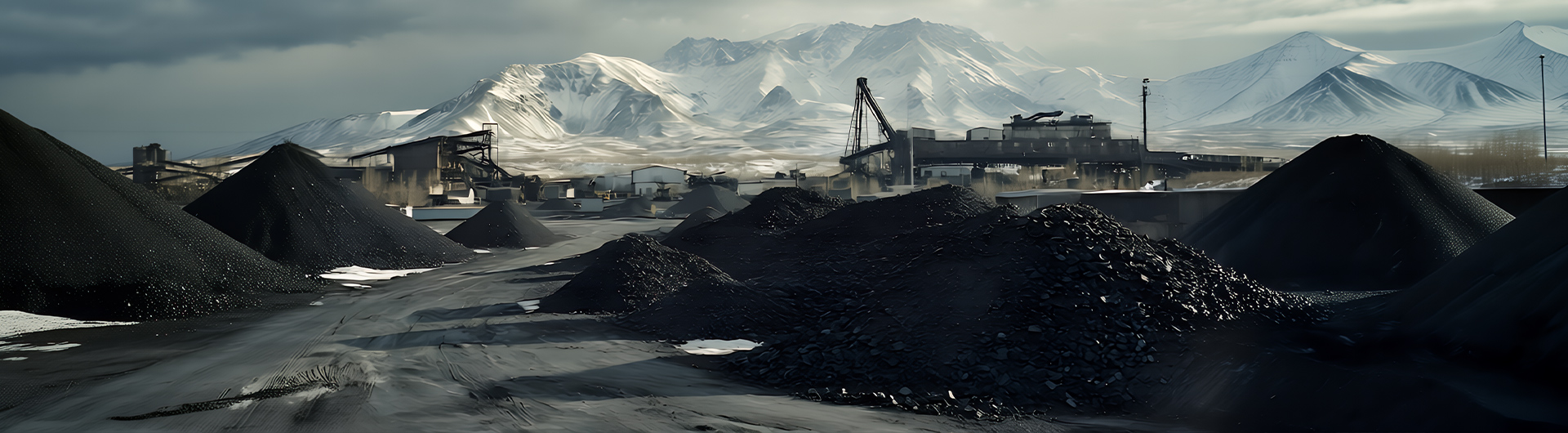

catalyst activated carbon and manganese dioxide
In the technology for the environment, catalyst activated carbon and manganese dioxide is the main element for the removal of contaminants and the degradation of pollutants. The change of catalyst activated carbon and manganese dioxide into reactive manganese oxides allows efficient adsorption of heavy metals and the catalysis of organic compounds. By manipulating surface properties, particle size, and reactivity, treatment efficiency can be optimized by industrial engineers. catalyst activated carbon and manganese dioxide is stable under different pH, temperature, and chemical conditions which guarantee its reliable performance in the remediation of water and soil. Its combination with other treatment strategies not only removes contaminants but also keeps the process cost-effective. The material’s versatility and predictable behavior render catalyst activated carbon and manganese dioxide a pivotal resource in the sphere of sustainable environmental management as well as in the industrial waste treatment applications.
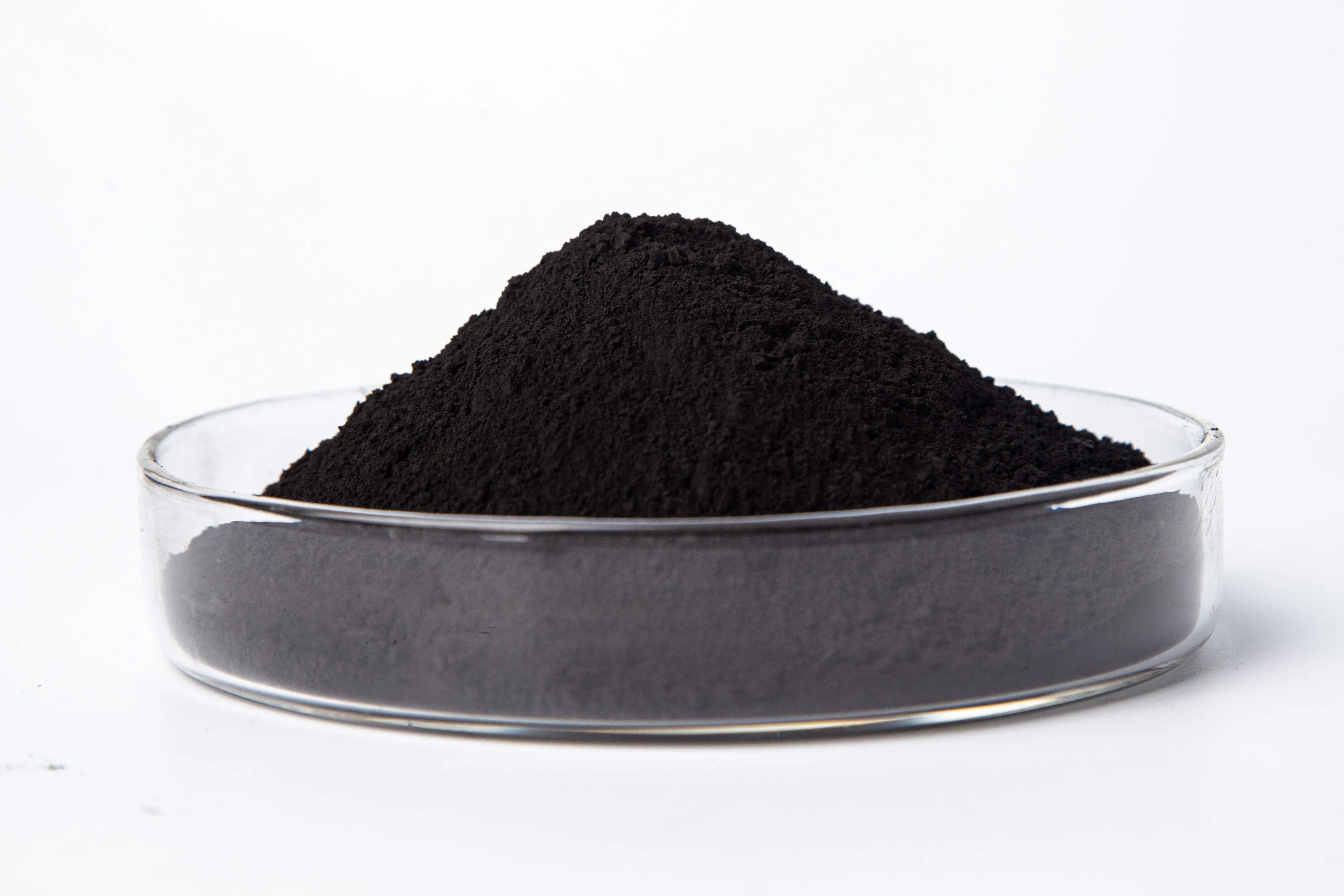
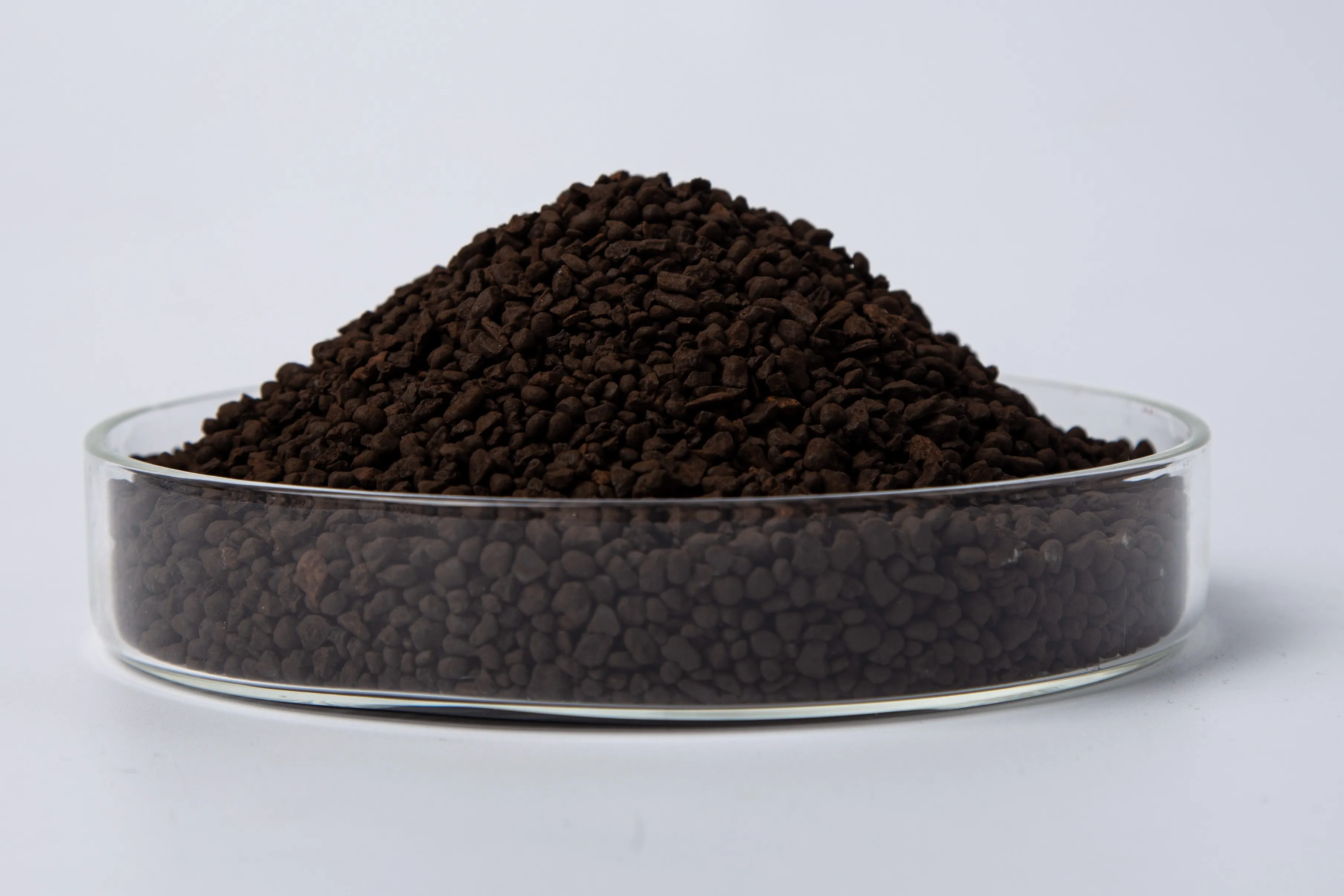
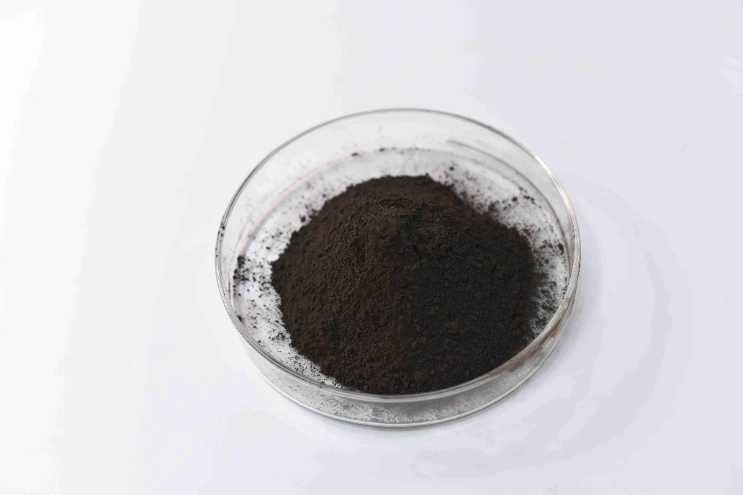
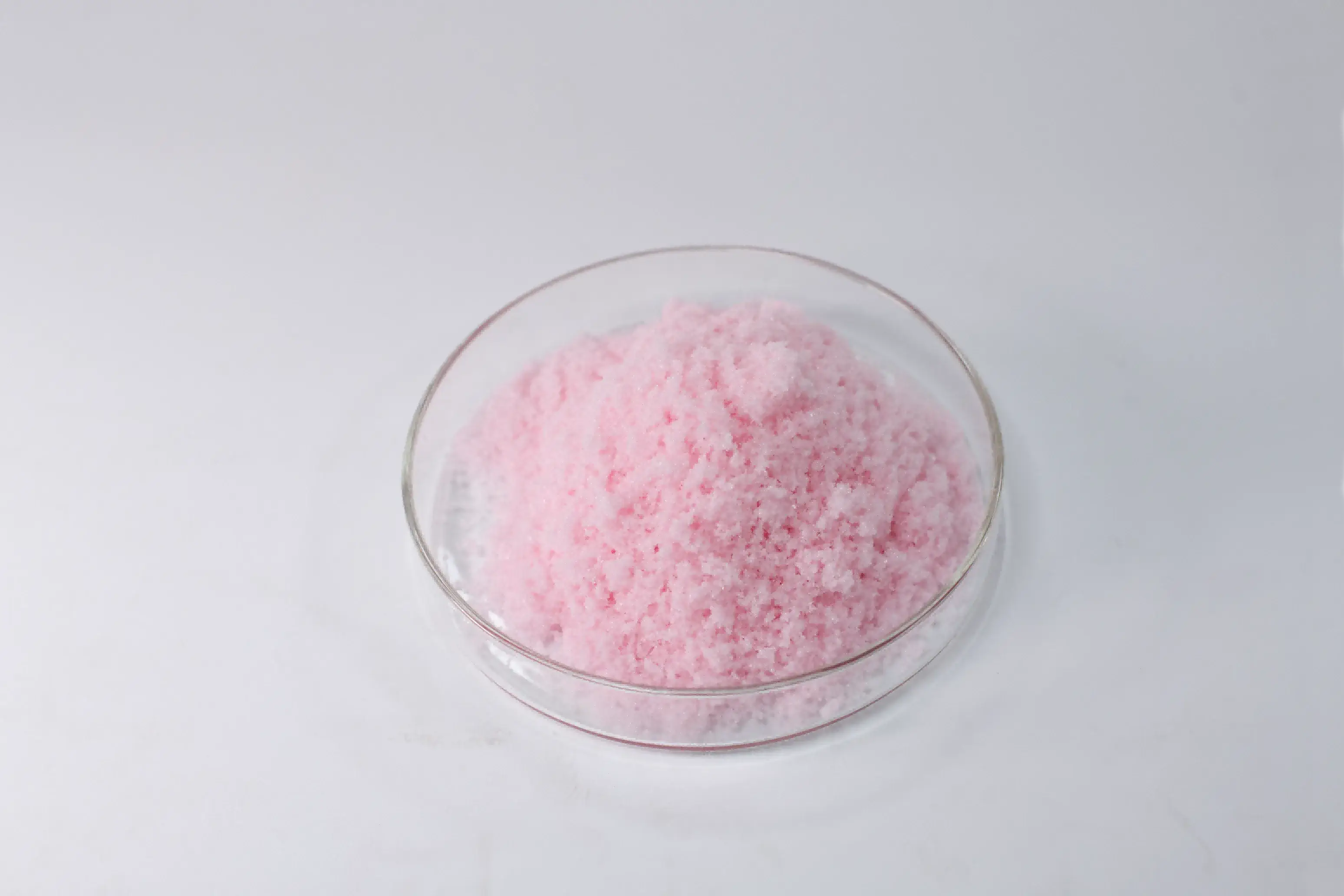
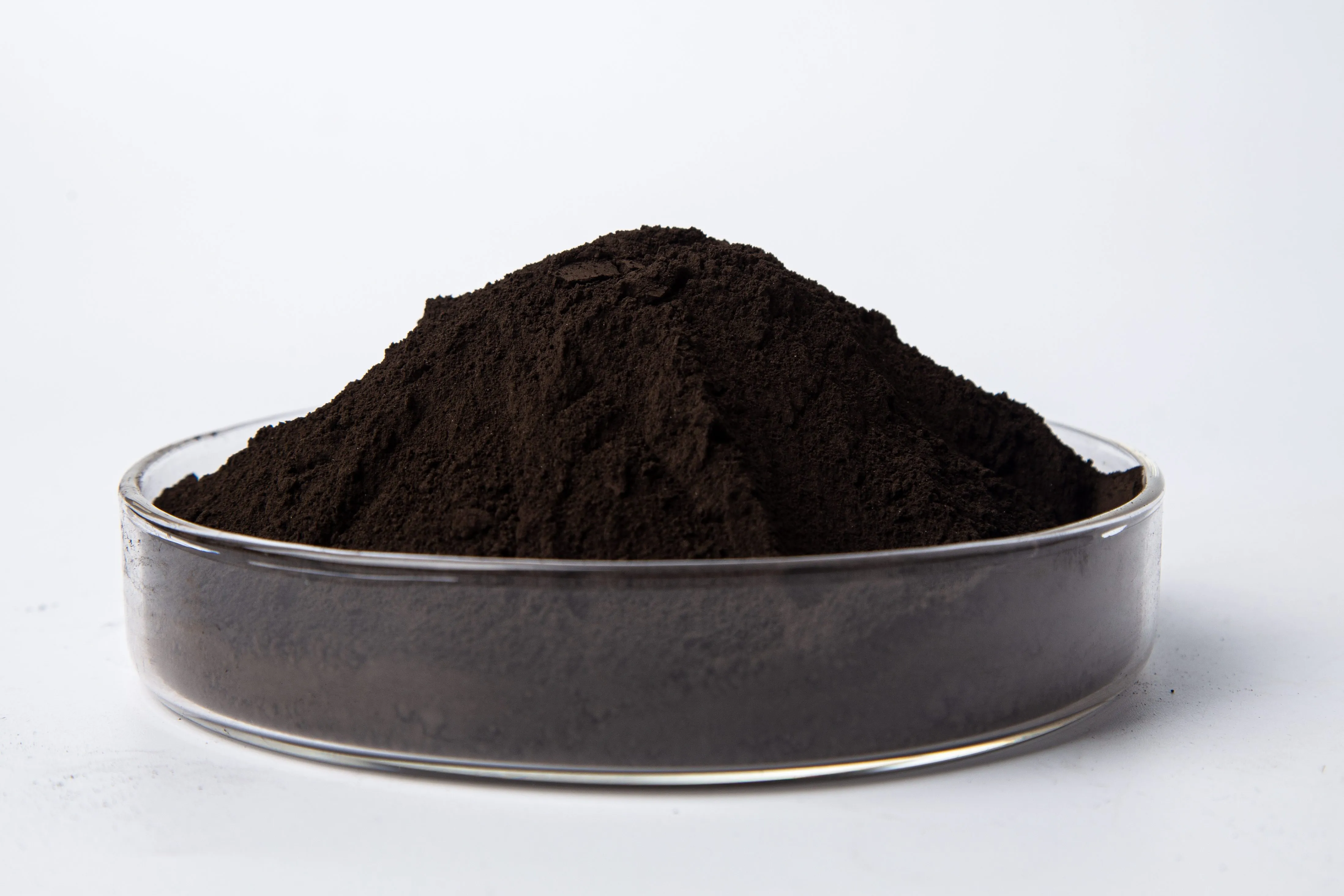
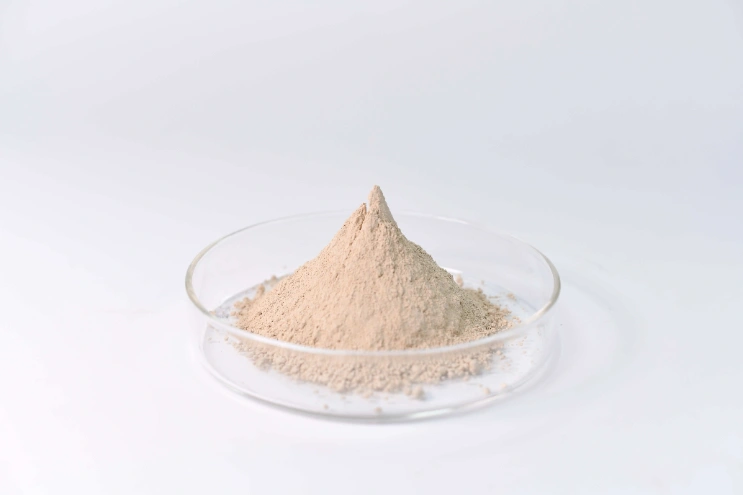
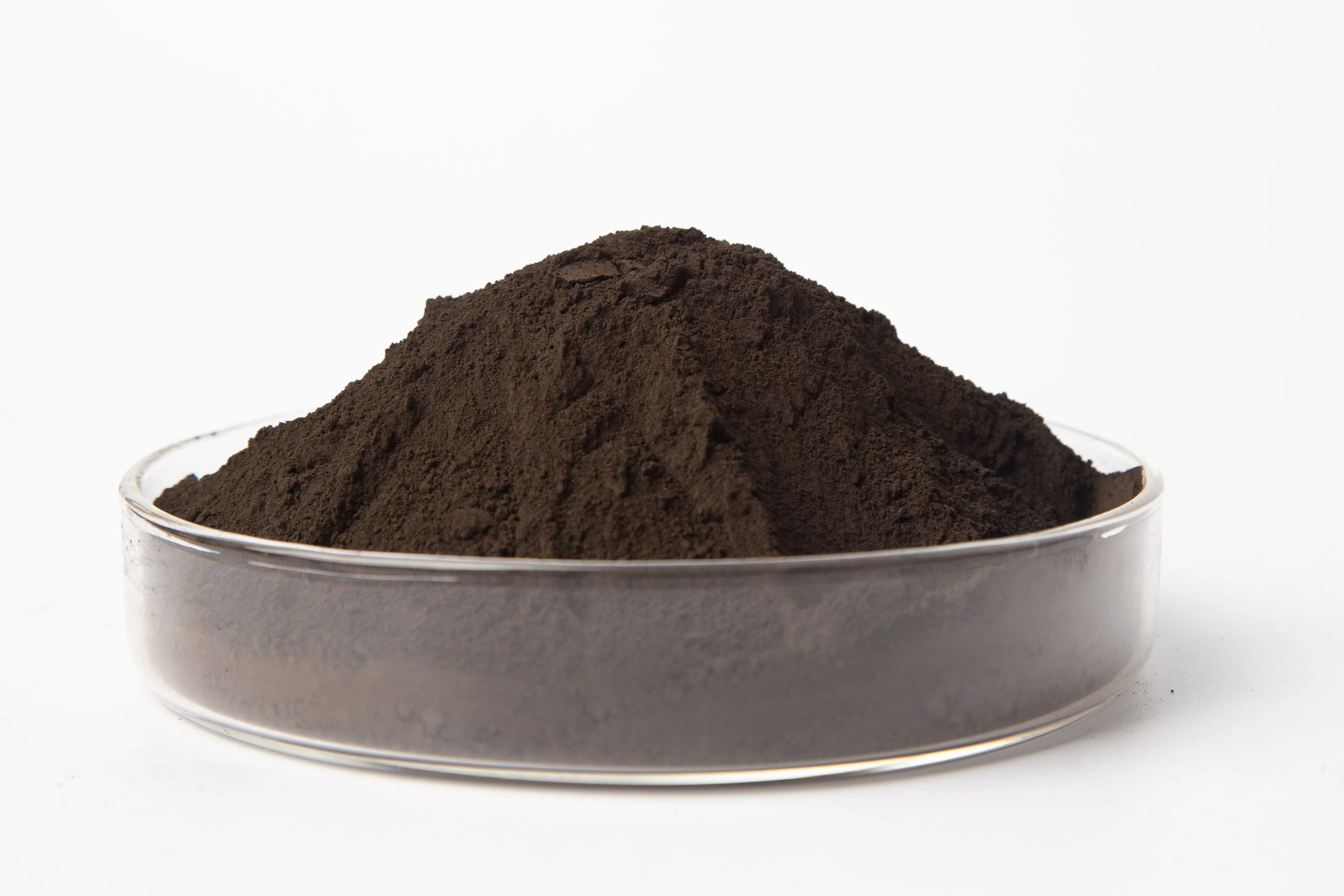
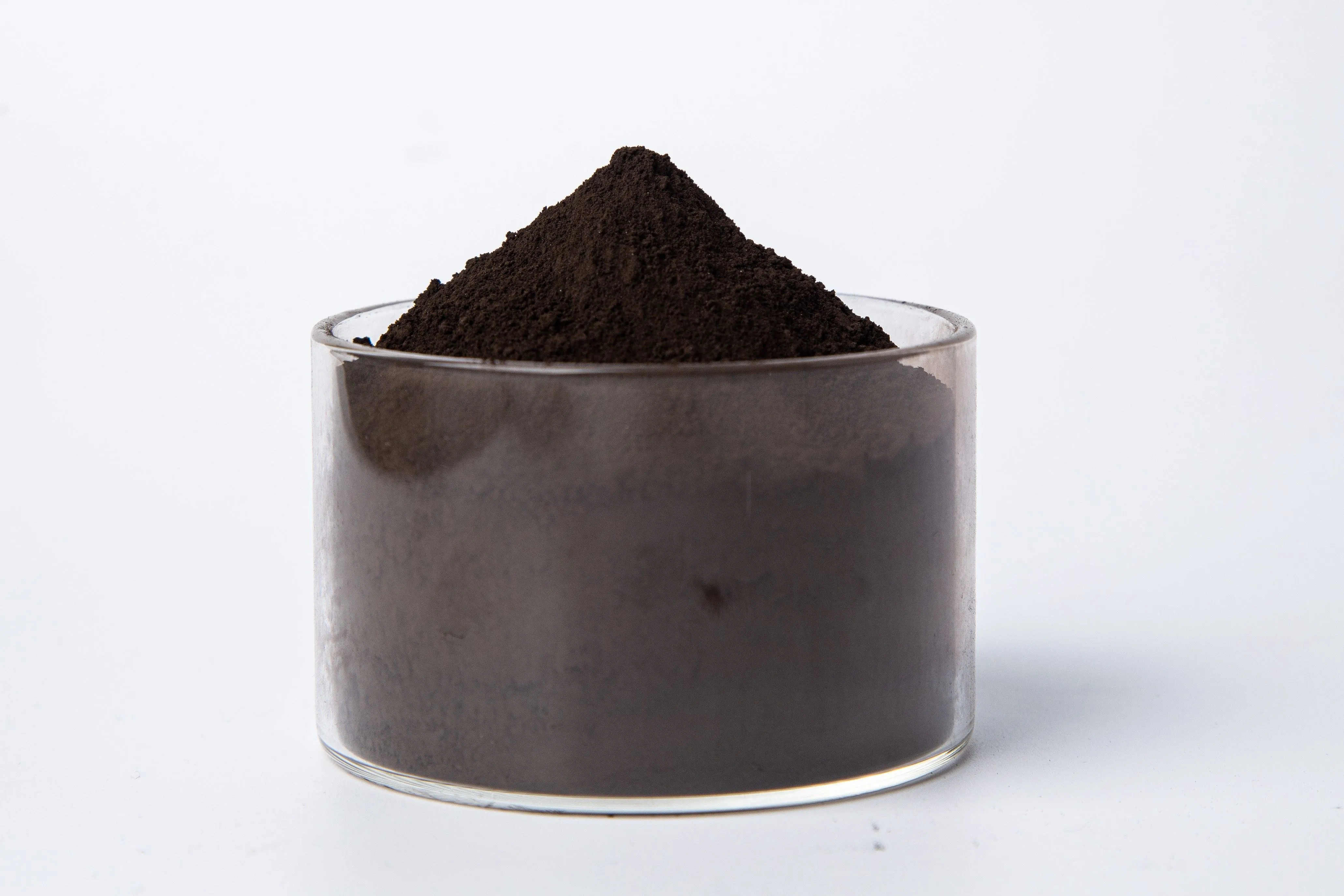
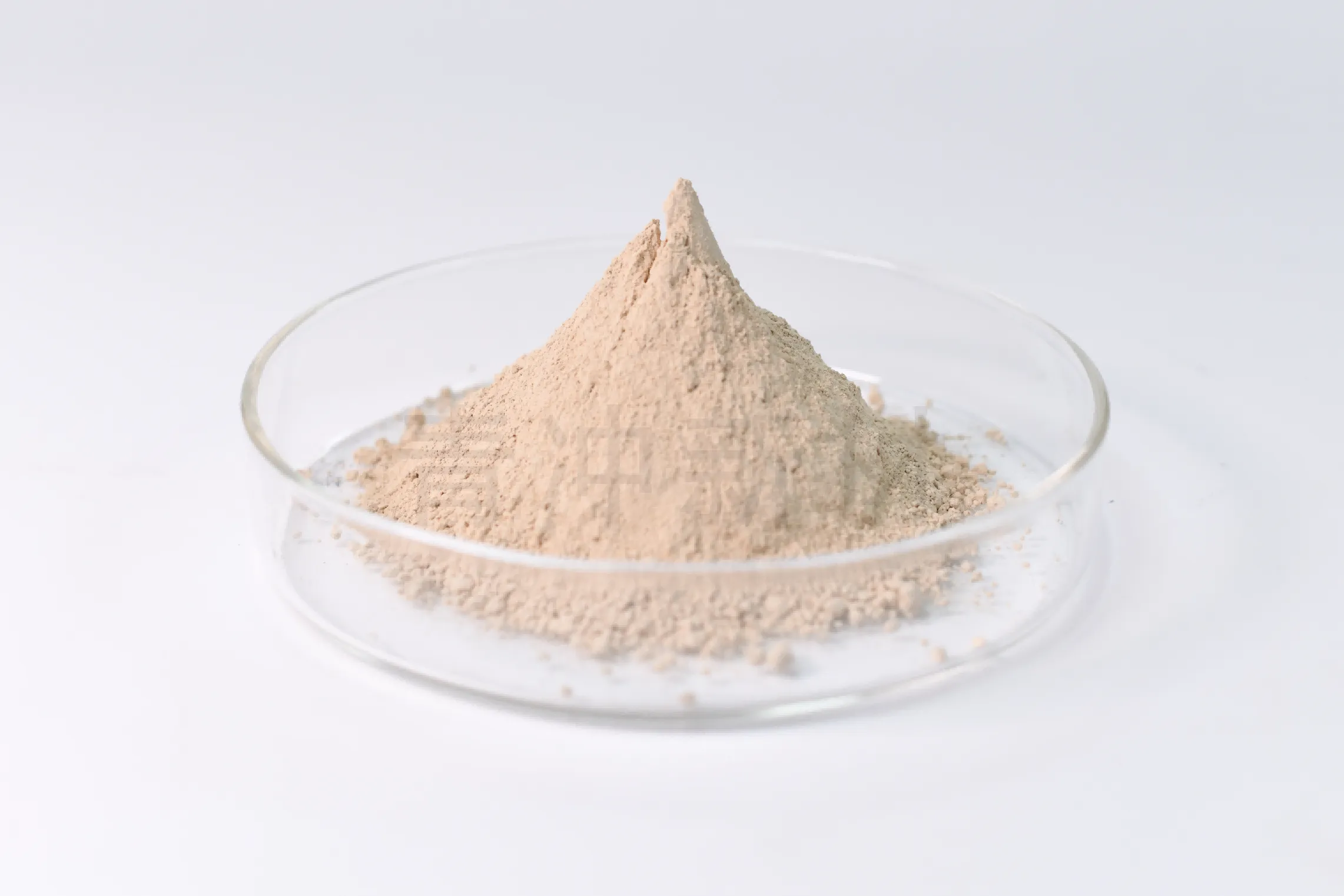
Application of catalyst activated carbon and manganese dioxide
In high-end alloy production, catalyst activated carbon and manganese dioxide plays a crucial role in the quality of the microstructure and the mechanical properties. The presence of catalyst activated carbon and manganese dioxide affects the whole process of the transformation of phases, cooling stuff, and the size and shape of the boundaries of the grains. The metallurgists apply catalyst activated carbon and manganese dioxide for making steels, aluminum, and special alloys harder, more resistant to fatigue and less prone to attrition. Controlling the addition of catalyst activated carbon and manganese dioxide helps to make the distribution of the material equal everywhere and to have the same thermal response during the heating and cooling cycles. The material's predictability helps the designers to make the most of the performance of the components in the high-stress industrial applications, precision tooling, and structural frameworks. By the use of catalyst activated carbon and manganese dioxide, etc. manufacturers are able to produce alloys with excellent durability, high strength, and operational reliability. Thus, they can meet the demands of modern engineering and manufacturing.
The future of catalyst activated carbon and manganese dioxide
Advanced energy storage systems are the ones that will be at the front line of catalyst activated carbon and manganese dioxide development. The current trends in battery technology have made it clear that catalyst activated carbon and manganese dioxide will be at the very core of the high-capacity, long-life cathodes. It is the innovations in particle engineering and synthesis techniques that could improve the conductivity of ions, thus allowing the time for charging to be shorter and the energy density to be higher. Consequently, integration into next-generation solid-state batteries, hybrid systems, and renewable energy storage platforms could secure the position of catalyst activated carbon and manganese dioxide as an indispensable resource in eco-friendly power solutions, thereby facilitating the transition to greener energy and more efficient, high-performance storage technologies in the decades to come.
Care & Maintenance of catalyst activated carbon and manganese dioxide
The long-term preservation of catalyst activated carbon and manganese dioxide is significantly affected by the handling practices. Controlled transfer methods are very effective in cutting down dust generation as well as material loss. The use of suitable transfer tools allows keeping the particles unbroken and preventing their further degrading. Mechanical stresses that are too much can be avoided and the material's original structure will be preserved. If the workers are taught to conduct the handling according to the set standards, it will help to maintain the uniformity of the handling and thus the quality of the materials. Clean and well-organized work procedures also lessen contamination hazards and at the same time increase workflow efficiency. If the best handling and maintenance practices are used, catalyst activated carbon and manganese dioxide can be kept in excellent condition, thus, being able to participate in different industrial manufacturing processes as a reliable component.
QingChong catalyst activated carbon and manganese dioxide
In the chemical industry, catalyst activated carbon and manganese dioxide is mainly responsible for the production of various manganese compounds. By means of thermal decomposition, the process is controlled to yield manganese oxides with different oxidation states. The majority of the compounds are found in the applications of catalysis, redox reactions, and chemical synthesis. The chemical properties of the catalyst activated carbon and manganese dioxide are well understood and this allows the industries to use them in ways that make the reactions more efficient and with higher yields. Furthermore, the performance of the end products is also dependent on the particle size and the purity of catalyst activated carbon and manganese dioxide. Manufacturers are capable of customizing its behavior by controlling the calcination temperatures and atmospheres. The material's property of producing pure manganese dioxide of high quality guarantees its consistent and reliable use in batteries, pigments, and catalysts which in turn makes catalyst activated carbon and manganese dioxide an industrial chemical production raw material with a lot of applications.
FAQ
Q: What role does Manganese Carbonate play in ceramic manufacturing? A: It is very important for coloring, melting and even the production of ceramics and glass changing the thermal and mechanical characteristics. Q: Can Manganese Carbonate be blended with other metal compounds? A: Yes, it is well blended with the prescriptive mixing of different metal salts and oxides. Q: Is Manganese Carbonate suitable for large-scale industrial use? A: Yes, the substance is mostly delivered in large volumes so as to guarantee the constant supply for the industrial operations. Q: How does Manganese Carbonate affect processing efficiency? A: The thermal and chemical stability of the product guarantees its uniformity at all the stages of processing including heating, mixing, and transformation. Q: Are different packaging options available for Manganese Carbonate? A: Yes, the product can be provided in bags, drums or bulk containers depending on the logistics requirements.
Reviews
Olivia Davis
The Chemical Manganese Dioxide we received is highly reactive yet stable for industrial applications. Its fine particle distribution has allowed us to maintain reproducible chemical reactions, increasing productivity and reducing waste significantly.
Charlotte Martin
Manganese Oxide supplied is of superior quality, with uniform particle size and stable chemical composition. It has allowed predictable alloying and chemical reactions, enhancing workflow efficiency in our production lines.
Latest Inquiries
To protect the privacy of our buyers, only public service email domains like Gmail, Yahoo, and MSN will be displayed. Additionally, only a limited portion of the inquiry content will be shown.
Amelia****@gmail.comGermany
Hello, we are interested in sourcing high-purity Manganese Dioxide for industrial applications. Coul...
Oliver****@gmail.comUSA
Dear Supplier, we are looking for Electrolytic Manganese Dioxide for battery production. Please send...
Related product categories
- activated manganese dioxide in Japan
- activated manganese dioxide in South Korea
- activated manganese dioxide in Turkey
- activated manganese dioxide in Brazil
- activated manganese dioxide in Russia
- activated manganese dioxide in Saudi Arabia
- activated manganese dioxide in Indonesia
- activated manganese dioxide in Vietnam
- activated manganese dioxide in Philippines
- activated manganese dioxide in Spain
- activated manganese dioxide in Malaysia
- active manganese dioxide in United States